


🌿 Botanical Terpenes vs. Cannabis-Derived Terpenes
What Actually Matters? 🔬🔥
In the cannabis world, few words carry as much marketing weight as “Cannabis-Derived Terpenes” — often shortened to CDTs.
For a lot of customers, the assumption is simple:
Cannabis-derived terpenes must always be better than botanical terpenes.
But like most things in cannabis, the truth is more complicated — and honestly, a lot more interesting. 👀
At Teddy James, we do not believe in selling hype words without explaining what they actually mean. So let’s break it down clearly:
🧪 A terpene molecule is a terpene molecule.
The real difference is not always where the terpene came from.
The real difference is the quality, completeness, accuracy, freshness, and complexity of the full aroma profile.
🌱 First: What Are Terpenes?
Terpenes are aromatic compounds found all throughout nature. They are not exclusive to cannabis.
You can find terpenes in:
🍊 Citrus peels🌲 Pine trees💜 Lavender🌾 Hops🥭 Mangoes🌿 Herbs and spices🌸 Flowers🔥 Cannabis and hemp

Cannabis contains many well-known terpenes, including:
✅ Myrcene — earthy, musky, herbal✅ Limonene — citrus, bright, sweet✅ Caryophyllene — peppery, spicy, bold✅ Pinene — piney, sharp, fresh✅ Linalool — floral, soft, lavender-like✅ Humulene — woody, earthy, hoppy✅ Ocimene — sweet, herbal, tropical✅ Terpinolene — fruity, floral, complex
These compounds help shape the smell, flavor, and overall character of a strain.
But here is the part most people miss:
🌿 Cannabis aroma is not only terpenes.
And that is where the conversation gets interesting.
🔬 A Molecule Is a Molecule
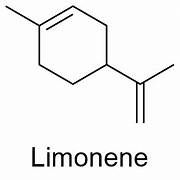
Here is the key fact:
If the molecule is structurally the same, your body and senses are dealing with the same compound — whether it came from cannabis, hemp, citrus, pine, lavender, hops, or another botanical source.
For example:
🍊 Limonene from citrus🌿 Limonene from cannabis🌱 Limonene from hemp
If it is the same molecule, it is still limonene.
The same basic idea applies to:
🔥 Myrcene🔥 Pinene🔥 Linalool🔥 Caryophyllene🔥 Humulene🔥 Ocimene🔥 Terpinolene
The plant source does not magically create a brand-new molecule.
That said, there is one important detail: some terpenes can exist in different forms called isomers or enantiomers. These forms can smell slightly different and behave differently in a blend.
So the better way to say it is:
Botanical terpenes and cannabis-derived terpenes can be chemically identical, but the exact form, purity, ratio, and full blend still matter.
👑 So Why Do Cannabis-Derived Terpenes Feel More Premium?

Cannabis-derived terpenes, or CDTs, are usually marketed as more authentic because they come directly from cannabis or hemp flower.
And sometimes, that is absolutely true. ✅
A well-made CDT profile can carry a more natural cannabis character because it may include a broader mix of compounds from the original plant.
Instead of being just a handful of isolated terpenes, a CDT extraction may include a more complex blend of:
🧪 Terpenes🧪 Terpenoids🧪 Esters🧪 Aldehydes🧪 Ketones🧪 Alcohols🧪 Acids🧪 Indoles🧪 Thiols🧪 Thioesters🧪 Sulfides🧪 Disulfides🧪 Other minor volatile flavorants
Those minor compounds can matter a lot — even when they are present in tiny amounts.
That means the “real cannabis smell” people recognize is not always coming from myrcene, limonene, and caryophyllene alone.
🦨 The Missing Compounds Matter

This is where a lot of cheap terpene blends fall short.
They may contain the “main terpenes” listed on a strain’s lab report, but they miss the tiny compounds that make the profile feel alive.
That gassy, skunky, funky, oniony, garlic, tropical, overripe, chemical, candy-like, or exotic quality often comes from trace volatile compounds that do not show up on a basic terpene chart.
That means when someone says:
“CDTs smell more real.”
What they may actually be noticing is not just that the terpenes came from cannabis.
They may be noticing the presence of minor volatile flavorants that are missing from a simple botanical terpene blend.
🧠 Translation:
The difference is not always botanical vs. cannabis-derived.
Sometimes the difference is:
✅ Complete profile vs. incomplete profile✅ Full-spectrum aroma vs. basic terpene blend✅ Skilled formulation vs. cheap shortcut✅ Real flavor chemistry vs. marketing hype
⚠️ Cannabis-Derived Does Not Always Mean True-to-Flower
Here is the part most companies do not say out loud:
Just because terpenes are cannabis-derived does not mean they perfectly match the original strain.
Cannabis-derived extraction is not magic.
Terpenes and aroma compounds are volatile. They can be lost, shifted, degraded, or altered through:
🔥 Heat exposure🌬️ Air exposure⏳ Age of source material🌡️ Drying🫙 Curing⚗️ Extraction method📦 Storage conditions🧪 Post-processing🚫 Poor handling after extraction
Some compounds are more volatile than others. That means the final CDT profile may not perfectly match the living flower, the fresh-cut plant, or even the cured flower it came from.
A CDT extraction might be strain-specific in name, but that does not guarantee it preserved the exact terpene ratios or every minor compound from the original cultivar.
💥 Bottom line:
“Cannabis-derived” is a source description. It is not an automatic guarantee of quality.
🍊 Botanical Terpenes Are Not Automatically Inferior

Botanical terpenes get a bad reputation because a lot of cheap blends are harsh, fake-tasting, or overused.
But that is not because botanical terpenes are automatically bad.
A well-built botanical terpene profile can be:
✅ Clean✅ Accurate✅ Smooth✅ Consistent✅ Flavorful✅ True to the intended experience
The real issue is not simply:
❌ Botanical vs. cannabis-derived
The real issue is:
✅ Was the profile built correctly?
A lazy botanical blend might only use a few common terpenes and call it “Pineapple Express.”
But a more advanced profile can include the major terpenes, minor terpenes, terpenoids, esters, aldehydes, ketones, alcohols, acids, indoles, thiols, thioesters, sulfides, disulfides, and other volatile flavorants needed to create a fuller and more realistic strain expression.
That is where formulation matters. 🔬
🌿 Hemp-Derived vs. Cannabis-Derived
Another thing that causes confusion is the difference between hemp-derived terpenes and cannabis-derived terpenes.
Botanically speaking:
🌱 Hemp is cannabis.
Legally, hemp is usually defined by its low Delta-9 THC content. So when someone says “hemp-derived terpenes,” they may still be talking about terpenes extracted from a cannabis plant — just a legally compliant hemp variety.
In the marketplace, people often separate the terms like this:
🌿 CDT — Cannabis-Derived Terpenes🌱 HDT — Hemp-Derived Terpenes🍊 BDT — Botanically Derived Terpenes
The problem is that customers often hear “CDT” and assume it automatically means better.
But the better question is:
What is actually in the profile, how was it made, and how close is it to the strain experience?
🧬 Can You Rebuild a Full Terpene Profile?
Yes — with the right knowledge, a profile can be rebuilt or restored using a combination of botanical terpenes and supporting volatile flavor compounds.
That does not mean every recreated profile is perfect.
It means the idea is chemically valid.
If you know the target profile and understand the aroma chemistry, you can use isolated natural compounds to rebuild the experience.
In some cases, a carefully built blend can be more consistent than a raw CDT extraction because the formulator can correct for:
✅ Extraction losses✅ Missing top notes✅ Weak minor-compound expression✅ Poor balance✅ Incomplete aroma character✅ Batch-to-batch variation
That is an important point:
A cannabis-derived extract may start closer to the plant, but a skilled formulation can sometimes restore what extraction, drying, curing, or storage removed.
This is especially true when the blend includes more than just the “big five” terpenes.
😮💨 Why Some Terpene Products Are Harsh

Harshness is often blamed on “botanical terpenes,” but that is too simple.
A terpene product can be harsh because of:
⚠️ Too high of a terpene percentage
⚠️ Poor-quality ingredients
⚠️ Oxidized or old terpenes
⚠️ Missing supporting compounds
⚠️ Bad ratios
⚠️ Too much sharp limonene or pinene
⚠️ High-temperature use
⚠️ Poor hardware
⚠️ Degraded flavorants
⚠️ Ingredients not suited for inhalation
So when people say:
“Botanical terps are harsh.”
What they may really be reacting to is a cheap, overloaded, poorly formulated, or overheated terpene product.
Not all botanical blends are created equal.
Not all CDT blends are created equal either.
✅ What Actually Matters in a Terpene Profile?
Instead of only asking whether a profile is cannabis-derived or botanical, ask better questions:
🧼 Is it clean?
Was it made from high-quality ingredients with proper testing?
🧩 Is it complete?
Does it include more than just the common terpenes?
🎯 Is it accurate?
Does it actually match the strain profile, or just use the strain name?
⚖️ Is it balanced?
Are the ratios smooth, or is one sharp compound overpowering everything?
🫙 Is it fresh and stored correctly?
Terpenes are volatile and can degrade with oxygen, light, heat, and time.
🔥 Is it appropriate for the product?
Flower, vape oil, live resin, distillate, edibles, and concentrates may all need different formulation approaches.
🏁 The Honest Bottom Line
Cannabis-derived terpenes can be excellent. 🌿
Botanical terpenes can also be excellent. 🍊
Cannabis-derived terpenes can be weak, incomplete, or poorly preserved. ⚠️
Botanical terpene blends can be cheap, fake, and harsh — or they can be clean, accurate, and carefully built. ✅
The source matters, but it is not the whole story.
The real magic is not just in the label.
It is in the full chemical profile:
🧪 Terpenes🧪 Terpenoids🧪 Esters🧪 Aldehydes🧪 Ketones🧪 Alcohols🧪 Acids🧪 Indoles🧪 Thiols🧪 Thioesters🧪 Sulfides🧪 Disulfides🧪 Other minor volatile flavorants
These compounds work together to create the aroma, flavor, and experience people recognize.
🧸 The Teddy James Perspective

At Teddy James, we care more about truth than buzzwords.
“Cannabis-derived” sounds premium — and sometimes it is.
But we are not going to pretend a label automatically makes something better.
A terpene molecule does not become magic just because of the plant it came from. What matters is whether the final profile is:
✅ Clean✅ Complete✅ Balanced✅ Properly formulated✅ Smooth✅ True to the intended experience
We believe customers deserve facts, not hype.
So whether a profile is cannabis-derived, hemp-derived, botanical, or a carefully built combination, we look at the final result:
Does it smell right?
Does it taste right?
Is it smooth?
Is it clean?
Does it match the intended experience?
That is what matters.
At Teddy James, we pride ourselves on facts — not opinions.
We will always shoot you straight. 🌿🔥


Comments